
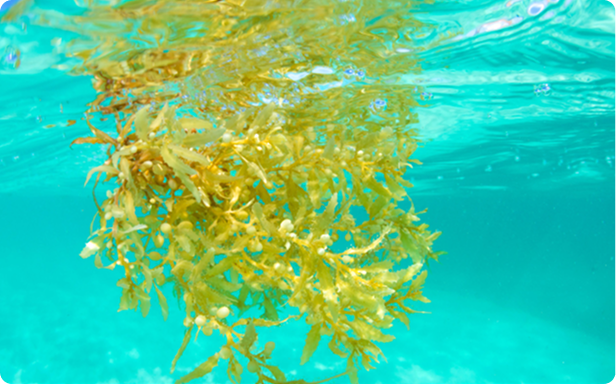
Iodine is a trace mineral, which means the body only needs a small amount of it; but it has a big impact on overall health. Iodine supports the thyroid, which helps regulate metabolism, hormone balance, and brain development.
The challenge is that iodine isn't always easy to get from food. It's mainly found in seafood, dairy products, and certain iodized foods, which many people don't eat regularly.
Metabolism + Hormone Balance
Iodine supports the thyroid, a small gland that helps regulate both metabolism and hormones. When the thyroid is working properly, the body can turn food into energy more efficiently and send hormonal signals more smoothly.
Because sea moss naturally contains iodine, it's often included in wellness routines focused on supporting steady energy levels and overall balance.
Brain Health in Adults
In adults, thyroid hormones continue to play an important role in how the brain functions day to day. These hormones help support focus, memory, mood, and overall mental clarity.
Sea moss naturally contains iodine and trace minerals that help support thyroid function. When thyroid hormones are balanced, many people notice steadier energy, better concentration, and improved mental clarity.
Brain Development During Pregnancy and Childhood
Iodine is especially important during pregnancy, infancy, and early childhood, when the brain is still developing. Thyroid hormones help guide how the nervous system forms and matures.
Because sea moss contains iodine in a natural, whole-food form, it is often discussed in conversations around nutrition during growth and development.
Why It Matters
Iodine may only be needed in small amounts, but it plays a major role in metabolism, hormone balance, and brain health.
Sea moss provides iodine in a natural, whole-food form, making it a simple way to support these essential functions as part of a balanced diet.
Why Many People Don't Get Enough Iodine
Even today, iodine deficiency is more common than many people realize. Around 50 percent of the world's population is estimated to have low iodine intake. This is often due to reduced seafood consumption, limited dairy intake, and the use of non-iodized salt.
For people who don't regularly eat iodine-rich foods, sea moss can act as a natural dietary source of iodine, helping fill nutritional gaps in a simple way.
